
Church Planting
Where Disciples Become Builders of the Church.
At Returning to Rwanda, church planting is not a program — it is the structural fruit of discipleship multiplication. Every relationship rooted in the BLESS framework carries the seed of an indigenous, reproducing church.
The Vision
Indigenous, Reproducing Churches Across Rwanda and East Africa.
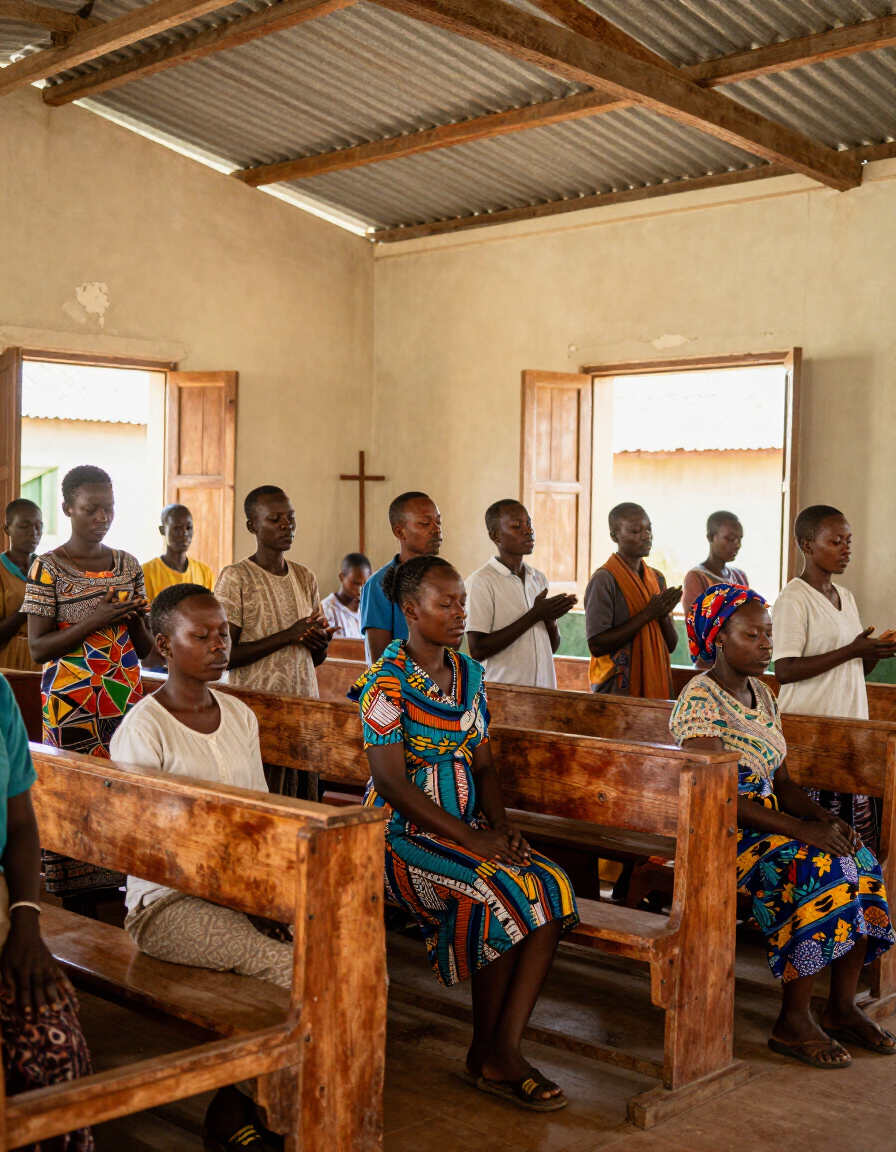
The churches being planted through this movement are not transplanted foreign models. They are deeply rooted, locally led, and biblically grounded communities that reflect the culture, language, and daily rhythms of their neighbors. These churches arise from within communities rather than being imposed upon them — shaped by the people who live there and shaped for the people who remain.
The movement's focus is on the populations most often overlooked: rural Rwandan villages, peri-urban neighborhoods undergoing rapid change, and underserved communities across East Africa where existing church presence is sparse or absent. Returning to Rwanda intentionally prioritizes the unreached and under-resourced, not the places where the church is already strong.
Emmanuel Dusabimana's conviction, rooted in the Great Commission, is that the goal is not church addition but church multiplication. Every church planted is expected to disciple its members into leaders who plant the next church — creating a self-sustaining, ever-expanding network of reproducing communities across the region. Not a program with an end date, but a movement without a ceiling.
The Pipeline
From Discipleship Relationship to Planted Church.
Church planting at Returning to Rwanda is never parachuted in. It emerges organically from three converging streams: discipleship relationships built through BLESS, leaders formed through the Leadership & Enterprise track, and communities served through ethical entrepreneurship. When all three are present, a church is not far behind.
Discipleship Relationships
BLESS-rooted one-on-one and small group discipleship creates the relational soil out of which new communities of faith naturally grow. The Evergreen Discipleship Guide anchors every relationship to Scripture and multiplication, ensuring that each disciple carries both the content and the heart to reproduce.
Leadership Formation
The Leadership & Enterprise track equips emerging leaders with both spiritual formation and practical capacity — developing men and women who can shepherd a planted church, lead with integrity, and sustain it economically through ethical enterprise. Leaders formed here do not merely manage; they multiply.
Community Planting
When a cluster of disciples has been formed and a leader equipped, the movement supports the formal establishment of an indigenous, self-governing local church — with ongoing coaching, resources, and connection to the wider network. The planted church is not a branch office; it is a new planting center.
Where We Work
Active Across Rwanda and East Africa.
Returning to Rwanda operates across multiple regions — from Kigali and the Western Province to communities in Uganda, Burundi, and the Democratic Republic of Congo. This map shows current and planned church-planting activity across the region.
The ministry's reach is growing as new discipleship cohorts mature and new church-planting partnerships form. To learn about specific regional activity, we welcome you to contact the team directly — every region has its own story.
A Story from the Field
From One Disciple to a Gathered Church.
Western Province, Rwanda
It began with a single conversation. In a small village outside Rubavu, Emmanuel sat with a young man named Jean-Pierre — a farmer, a father, and someone who had long kept faith at a cautious distance. Through months of BLESS-rooted discipleship guided by the Evergreen Discipleship Guide, Jean-Pierre not only came to faith but began meeting weekly with three neighbors to work through the same material. Those three became eight. The eight became a leadership cohort. By the end of the third year, what had begun as a quiet Tuesday conversation had grown into a gathered congregation of over forty people meeting weekly in a repurposed community hall — a formally planted, elder-led indigenous church with no dependence on outside funding and a vision to plant the next church in the valley below.
Jean-Pierre's story is not exceptional — it is the pattern. Church planting at Returning to Rwanda is slow, relational, and intentional. It does not arrive from the outside; it rises from within. And each church that forms becomes, in time, the soil for another.
Common Questions
Understanding Our Church-Planting Model.
For partners, pastors, and supporters considering engagement with Returning to Rwanda's church-planting work, these are the questions we hear most often.
What kind of churches are you planting?
Indigenous, self-governing local churches led by locally formed leaders. The movement does not plant churches that depend on foreign funding, foreign leadership, or imported models of church structure. Every planted church is expected to be rooted in its own community, financially responsible, and eventually planting the next church.How does this relate to existing local churches?
Returning to Rwanda works alongside and in partnership with existing Rwandan and East African churches — not in competition with them. Where strong churches already exist, the movement supports and trains their leaders. Church planting is focused on communities where a worshipping, disciple-making congregation is absent or insufficient to reach the local population.How long does it take to plant a church?
The movement prioritizes depth over speed. A church plant typically emerges over 2-5 years of sustained discipleship relationships, leadership formation, and community presence. The goal is a church that will outlast any outside involvement — which requires patient, relational investment.Does Returning to Rwanda support the planted churches financially?
The model is designed for indigenous sustainability, not financial dependency. In early stages, the movement may provide coaching resources, training materials, and leadership support — but the goal is always a church that generates its own leadership, governance, and financial capacity through ethical enterprise and community generosity.How can partners, churches, or individuals participate?
Partners can participate through prayer, financial partnership, short-term training visits, or by connecting their own networks with the movement's church-planting cohorts. Visit the Partner page or reach out through the Contact page to discuss how your church or organization might engage meaningfully with the work.
Join the Movement
Every Church Planted Begins With a Willing Partner.
Whether you come as a prayer warrior, a financial partner, or a fellow church planter, there is a place for you in this work. Rwanda is not a mission field waiting for outsiders — it is a movement growing from within, and your partnership sustains and multiplies it.